Powell River Top General Contractor for Home Improvement Projects
General Contractor: Your Dependable Contractor for Home Improvements
A general contractor executes an important role in home projects. They coordinate numerous aspects of construction, making sure that work advances without issues. Their expertise in construction standards and regulations allows them to navigate the difficulties of authorizations and inspections. This expert functions as an important connection between homeowners and subcontractors. Yet, many homeowners remain uncertain about the entire scope of their services. Understanding these details can greatly affect the achievement of any remodeling project.
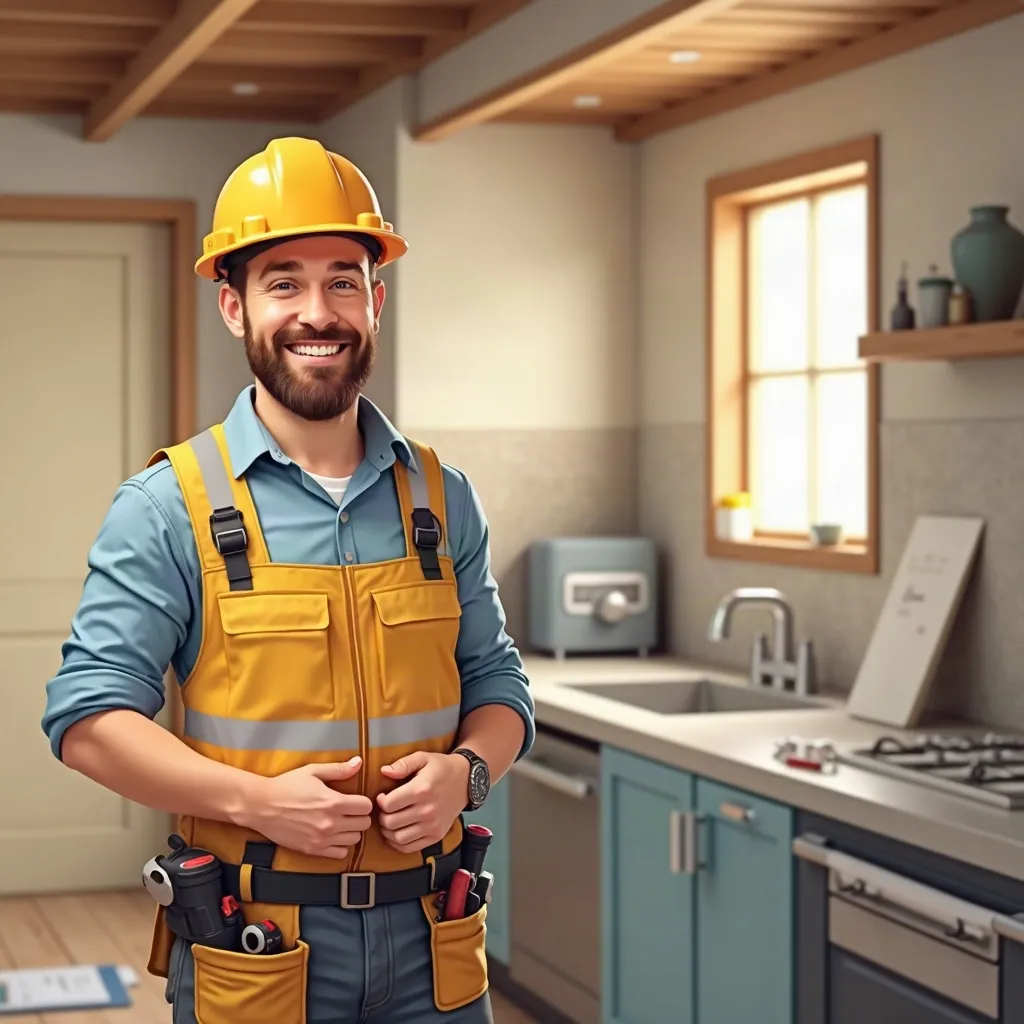
What Responsibilities Does a General Contractor Handle?
A construction leader coordinates the various elements of a construction project, making sure that everything runs smoothly from start to finish. They perform as the leading contact point, managing exchanges between project principals, independent contractors, and suppliers. This assignment entails planning the execution plan, mobilizing workers, and ensuring compliance with state and local building regulations and codes.
General contractors are in charge of acquiring required licenses and arranging inspections, which are vital for upholding safety and quality benchmarks. They also handle budget planning, material procurement, and overseeing site operations to mitigate any potential delays or issues. In addition, they oversee subcontractors, making sure that each phase of construction aligns with project specifications and timelines. Overall, a general contractor's knowledge and management abilities are crucial for completing a successful construction project, turning a client's vision into reality while balancing multiple tasks and responsibilities.
Benefits of Retaining a General Contractor for Home Renovations
Hiring a general contractor for residential remodeling provides many benefits that can significantly improve the efficiency and quality of the project. Professional contractors bring expertise in managing projects, making sure timelines are met and resources are allocated efficiently. Their established relationships with specialized tradespeople can lead to improved rates and excellent craftsmanship, which eventually saves homeowners both money and time.
Moreover, construction managers oversee the intricate details of licensing and compliance, reducing potential legal issues. They also provide a unified liaison, easing communication and coordination among various trades. This optimization reduces the chance for misunderstandings and delays.
Furthermore, their expertise allows them to foresee potential challenges, facilitating preventative measures to keep the project on track. By hiring a general contractor, homeowners can concentrate on their vision while experiencing peace of mind, knowing that a professional is managing every aspect of the renovation.
Debunking Misconceptions About Construction Contractors
While numerous homeowners may hold misconceptions about general contractors, understanding the facts can result in more informed decisions. One common myth is that hiring a contractor is not required for small projects; nevertheless, their know-how can facilitate even minor renovations, guaranteeing observance with local codes. Another common belief is that contractors are merely middlemen, but they frequently have in-depth knowledge in several disciplines, enabling them to coordinate projects competently. Additionally, some homeowners believe that working with a contractor will significantly inflate costs. In fact, a qualified contractor can often negotiate better pricing for materials and labor due to solid relationships with suppliers and subcontractors. Lastly, many consider that contractors are inflexible, but reputable contractors value client communication and collaborate closely to address specific needs. Resolved myths can empower homeowners to capitalize on the genuine value of contractors in achieving successful home projects.
Identifying the Most Suitable General Contractor?
How can homeowners guarantee they select the ideal construction professional for their projects? The approach starts with comprehensive investigation. Property owners should obtain recommendations from friends, family, or online reviews to identify qualified contractors. Once a list is assembled, confirming credentials, such as licensing, insurance, and bonding, is vital to confirm legitimacy.
Next, homeowners should solicit and assess portfolios of prior projects, emphasizing work of comparable scale. Arranging consultations allows homeowners to determine suitability, discussing deadlines, finances, and goals. It's also advisable to obtain multiple quotes for comparison, providing a transparent view of costs.
Examining references offers understanding of a contractor's reliability and professionalism. Ultimately, relying on your gut feeling is crucial; an opening discussion can expose a contractor's way of communicating and methodology. By following these steps, homeowners can markedly increase their likelihood of picking a general contractor who aligns with their objectives and goals.
Powerful Communication Tactics To Use With Your General Contractor
What tactics can homeowners implement to confirm proper interaction with their general contractor? Creating clear communication from the inception is vital. Homeowners should plainly communicate their requirements, project aims, and cost parameters during preliminary talks. Ongoing reports can be enabled through organized gatherings, making certain that both parties remain in sync throughout the project.
Written documentation, including emails or project logs, helps reinforce spoken understandings and minimizes miscommunications. Homeowners should also encourage open dialogue by soliciting comments and inquiries from the contractor, fostering a cooperative atmosphere.
Furthermore, taking advantage of tech solutions, including project management apps, can ease team dialogue by creating a centralized platform for conveying updates, timelines, and changes. Finally, maintaining politeness and approachability can strengthen rapport, allowing for it to be easier for the contractor to discuss challenges or suggestions in a meaningful way. By executing these strategies, homeowners can nurture a productive and honest relationship with their general contractor.
What to Anticipate When Your Project Starts?
As the project launches, homeowners can anticipate a burst of work on-site. The general contractor will coordinate groups of experienced professionals, such as electricians, plumbers, and carpenters, who will begin their work following the established timeline. Homeowners may observe heavy machinery and materials being delivered, creating a lively environment.
Communication stays vital during this stage. The contractor will give progress reports on advancement and handle any issues that occur. Homeowners should get ready for possible disruptions, such as sound and restricted access to specific areas of the home.
Safety precautions will be in place to protect both workers and residents, providing a secure environment. Additionally, homeowners may be encouraged to maintain flexibility, as unforeseen issues can arise, demanding adjustments to the original plan. Overall, this initial phase sets the stage for the successful completion of the project, and active involvement is essential.
Vital Questions for Your General Contractor Arrangement?
Deciding which inquiries to raise when wrapping up a general contractor agreement is important for ensuring a trouble-free project. Homeowners should ask about the contractor's credentials and insurance to check their experience and protection against liabilities. Understanding the project schedule and phases is key; therefore, asking about projected completion dates helps manage expectations.
It is also paramount to communicate payment terms, such as deposit amounts and payment schedules, to ward off misunderstandings. Home purchasers should secure a detailed breakdown of outlays, highlighting building materials and skilled work, to assure accountability. Concurrently, deliberating on the process for addressing alterations or unforeseen issues can eliminate disagreements subsequently.
In conclusion, property owners must research information about subcontractors and their qualifications, as well as the communication strategy of the contractor throughout the project. By reviewing these points, homeowners can establish a productive relationship with their lead contractor, ultimately leading to a successful home project.
Often Requested Questions
What Ways Do General Contractors Use to Invoice for Their Services?
Contractors usually charge by way of flat fees, hourly rates, or a percentage of the total project cost. Their pricing model may also contain materials, labor, and overhead, subject to the intricacy and breadth of the project.
Can a General Contractor Give Assistance With Requirements and Examinations?
Yes, a construction contractor can support obtaining permits and managing inspections. They routinely work with local regulations and confirm compliance, making it easier for homeowners while context information enabling necessary approvals throughout the building project.
What Qualifications Should I Review in a General Contractor?
When selecting a general contractor, one should evaluate qualifications such as licensing, adequate insurance, experience in relevant projects, strong references, and effective communication skills, ensuring they have the required knowledge to manage the project effectively.
What is the Timeline of a Average Home Renovation Undertaking?
A common home remodeling job can last anywhere from a few weeks to several months, contingent upon the scope, complexity, and size of the project, as well as the supply of materials and labor.
What Happens if My Initiative Goes Over Cost Allowance?
If a project goes over budget, the contractor usually talks through the causes and alternatives with the homeowner. Changes may consist of scaling back, obtaining more funds, or revising the project scope to align with financial limits.